
14 Oct 2026 · 8 min read
How to Find a Laptop-Friendly Cafe in San Antonio in 2026
How to spot a laptop-friendly San Antonio cafe by category and posted hours, not star rating alone, with real local picks.
san-antonio texas how-to01 October 2026 · 8 min read
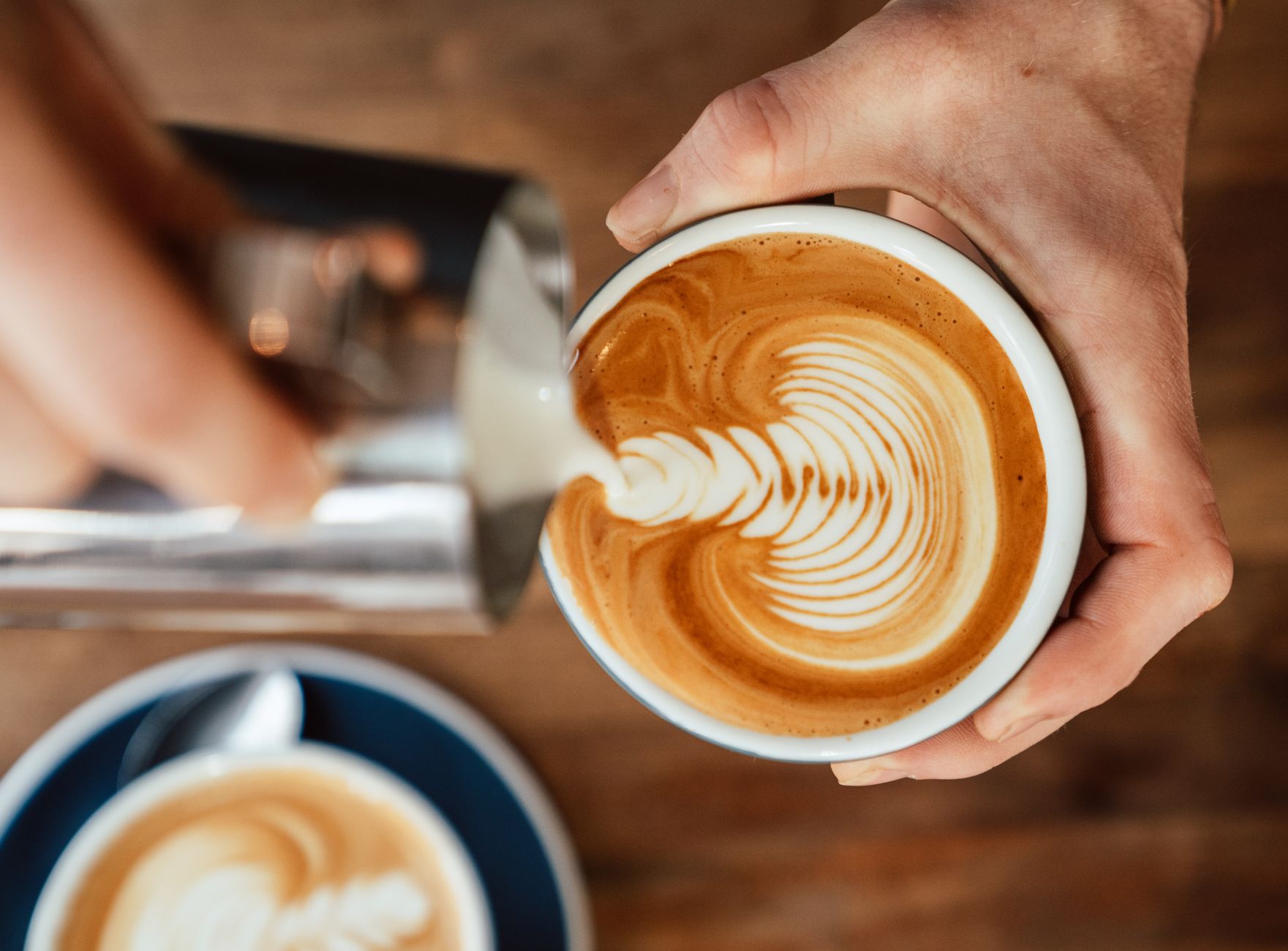
Walk into two coffee spots on the same street and you can get completely different mornings. One has a pour-over bar, a hand-written menu of single-origin beans, and a barista who asks how you'd like your espresso dialed in. The other has a laminated menu, a bottomless mug that never seems to run dry, and a coffee that tastes the same way it did twenty years ago. Neither is wrong. They're just built for different mornings, different budgets, and different reasons for being out of the house at all.
"Third-wave" coffee and "diner" coffee aren't rival camps so much as two different answers to the same question: what is a cup of coffee actually for? This guide breaks down what separates them, what to expect walking in, and how to decide which one fits the morning you're having — using real coffee shops and diners from the Local Cafes directory as examples along the way.
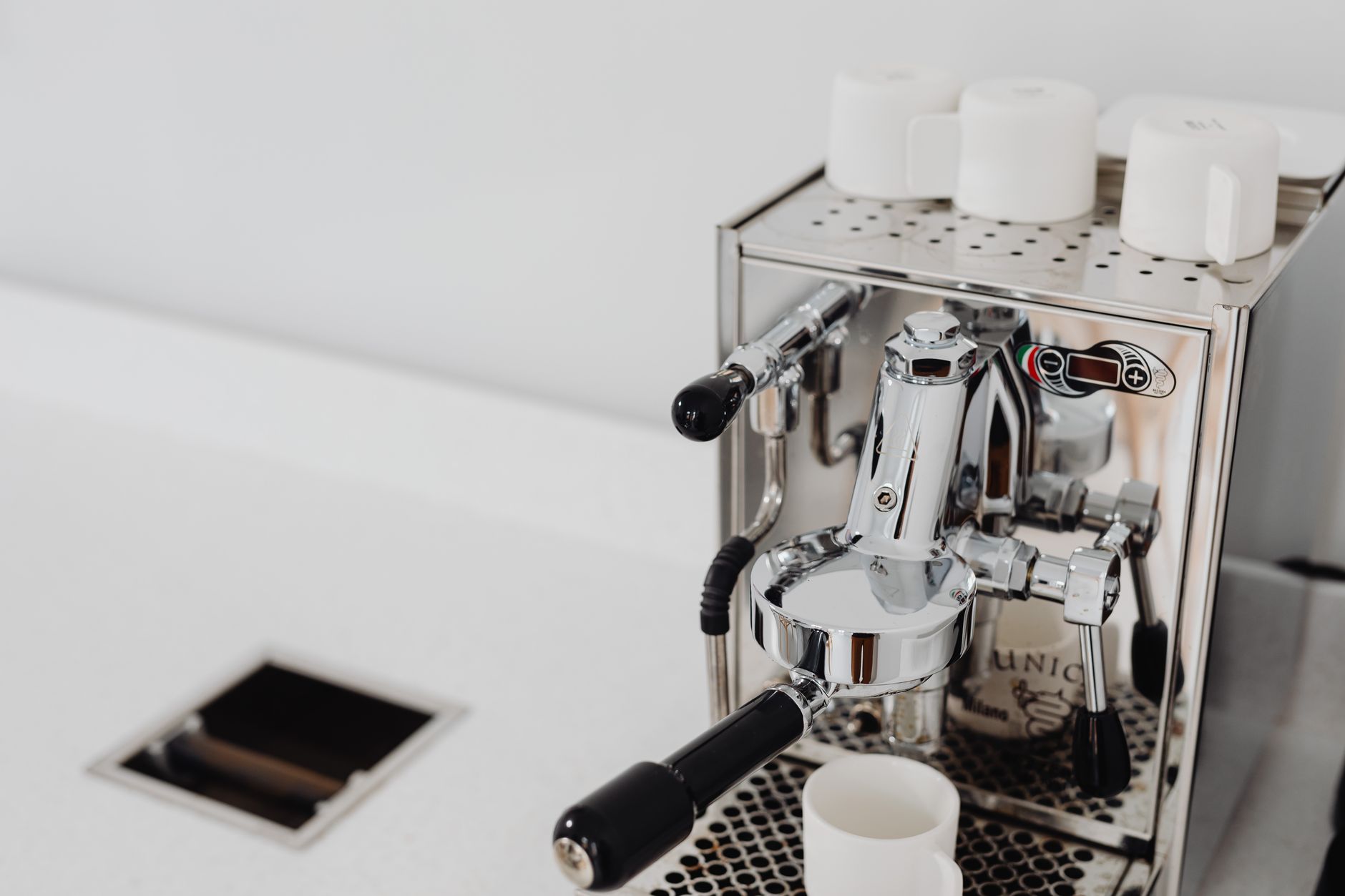
The "third wave" refers to a shift in how coffee shops treat the bean itself: not as a commodity, but as a product with a traceable origin, a specific roast profile, and a brewing method chosen to show it off. In practice, that shows up as single-origin beans with the farm or region named on a menu board, pour-over or AeroPress options sitting next to espresso drinks, and baristas who can tell you whether a bean was processed as a natural or a washed coffee. Roasting is often done in small batches, sometimes on-site, and the bean lineup rotates seasonally rather than staying static year-round.
This approach shows up clearly at a shop like {{biz:inspired-coffee-roasters-north-park-san-diego}}, which roasts and curates limited-release coffees out of San Diego's North Park neighborhood. The name itself is the tell: when "roasters" appears in a coffee shop's name, sourcing and roasting are usually part of the pitch, not an afterthought. The same instinct shows up in branding choices — shops built around specialty coffee often lean on visual, social-media-first presentation rather than a traditional website, which is its own kind of signal before you've even walked in the door.
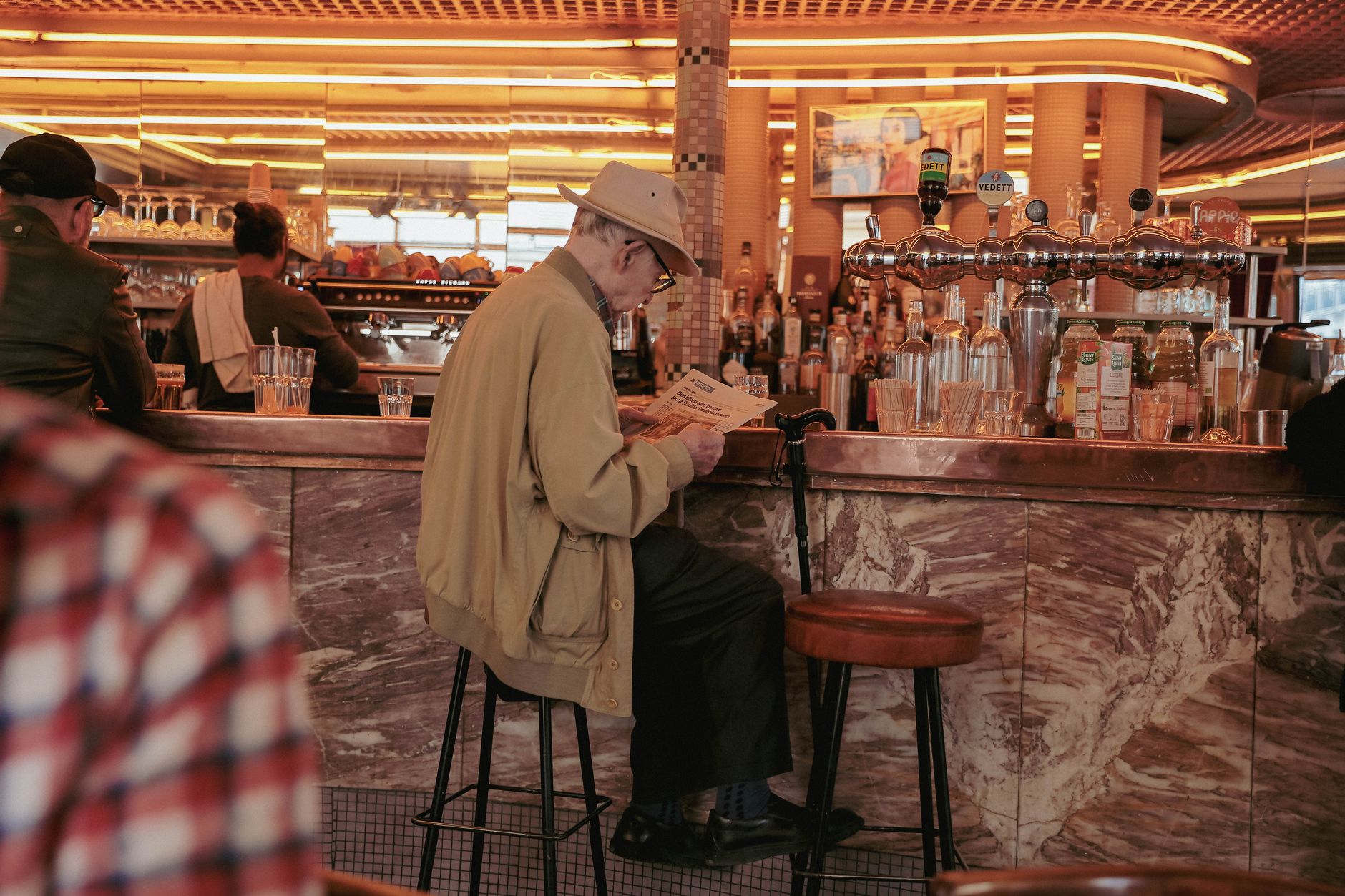
Diner coffee runs on a different logic entirely: consistency, speed, and a price that doesn't require a second thought. It's drip-brewed in large batches, served in a standard ceramic mug, and refilled without being asked. There's no tasting-notes menu because there's no need for one — the coffee is a supporting player to eggs, pancakes, and a server who already knows your order by the second visit.
{{biz:alices-san-bernardino}} in San Bernardino and {{biz:cabrillo-park-cafe-fremont}} in Fremont are both built around that rhythm. Both are categorized as diners on Local Cafes, both keep early hours starting around 7 a.m., and both are the kind of place where coffee shows up at the table before you've finished reading the menu. That reliability is the whole point. Nobody orders diner coffee expecting a flavor journey; they order it expecting it to be hot, available, and part of a bigger breakfast that doesn't require a decision about brew method.
You can usually tell which kind of coffee you're about to get before you ever order, just by how the menu is written or how the storefront is set up. A few signals worth watching for:
None of these signals is a judgment on quality. A diner's drip coffee can be perfectly good coffee; it's just optimized for a different job than a single-origin pour-over, and the two aren't really in competition with each other.
The price difference between the two isn't really about the coffee bean cost — green coffee is a small fraction of either business's overhead. It's about labor time, equipment, and real estate. A pour-over takes several minutes of a barista's undivided attention, start to finish, plus the cost of scales, gooseneck kettles, and filters. A diner mug refill takes seconds and is priced to be ordered without hesitation, often bundled into a breakfast special that covers eggs, toast, and coffee together. Specific prices move too often to print reliably in a guide like this, so check current prices directly with each business rather than relying on anything written here — but the general shape of the trade-off holds in most markets, coast to coast.
| Third-Wave Coffee | Diner Coffee | |
|---|---|---|
| Typical brew method | Pour-over, AeroPress, espresso | Batch drip |
| Pace | Unhurried, made to order | Fast, often pre-brewed |
| Menu focus | Bean origin, roast, process | Breakfast plate, mug refills |
| Seating style | Laptop-friendly café seating | Counter and booth seating |
| Best for | Tasting, slow mornings, remote work | Quick fuel, full breakfast, conversation |
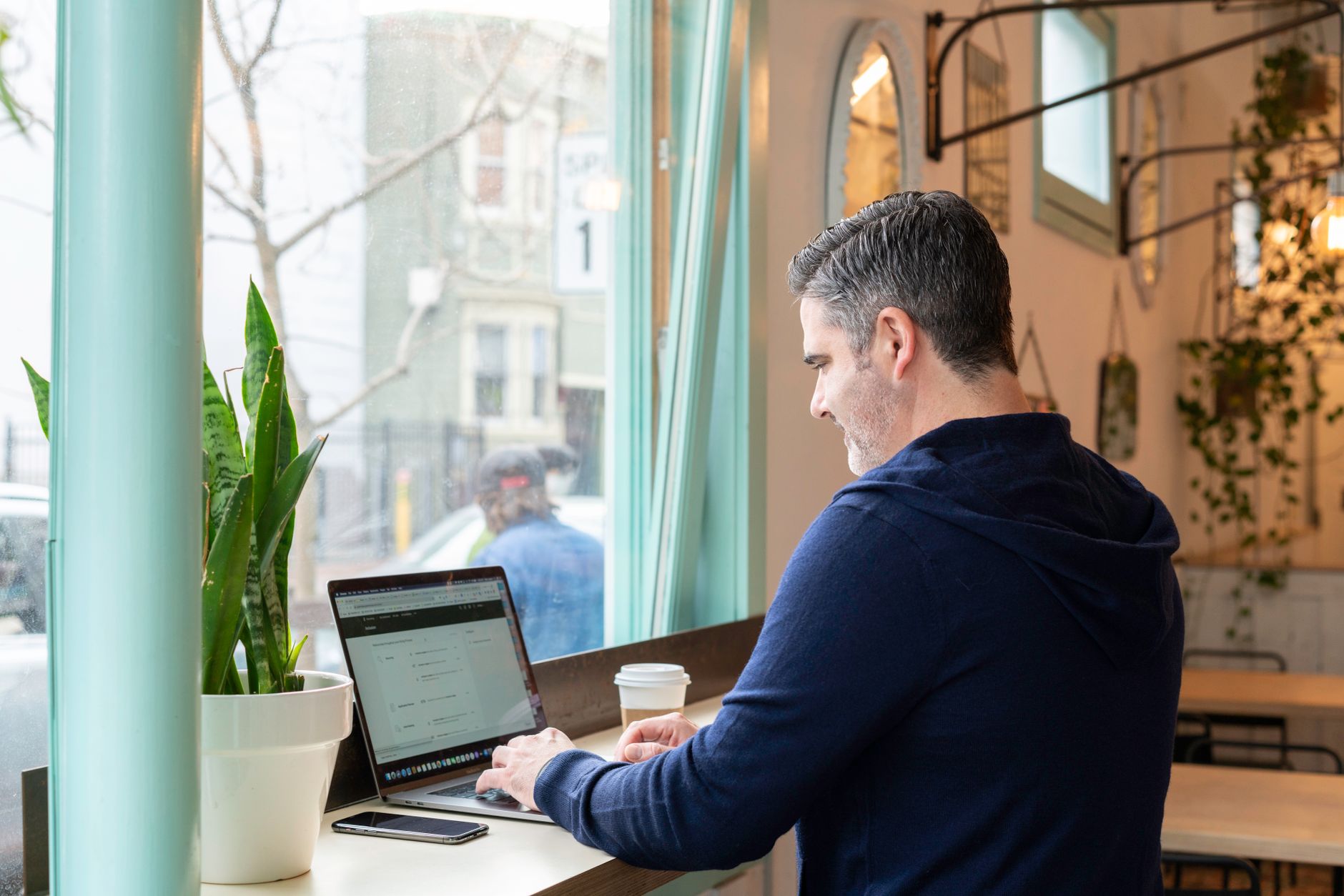
Reach for a specialty shop when the coffee itself is the point of the outing — when you have twenty minutes to sit with a pour-over, or when you're meeting a friend somewhere that rewards lingering rather than rushing through. It's also the better call if you're planning to work from a laptop for a few hours: specialty shops tend to budget for seating and Wi-Fi as part of the experience, the way {{biz:kind-corner-san-diego}} does with its cafe tucked atop Cortez Hill in downtown San Diego. If you care about where the beans came from, or you want to try a brewing method you can't easily replicate at home, specialty coffee shops and roasters are the category to look for, and most will happily talk through the options if you ask.
Diner coffee is the right call when coffee is the supporting act, not the headliner. If you're hungry for a full breakfast and want coffee that just shows up and stays topped off without being asked twice, a diner delivers that without ceremony. It's also the better choice early in the morning before most specialty shops open, or when you're traveling with a group that wants a shared table rather than individual orders called out at a counter one at a time. {{biz:cabrillo-park-cafe-fremont}} and {{biz:alices-san-bernardino}} both open before 7 a.m., which matters if you're trying to beat traffic or start a long drive with a real breakfast already behind you instead of a coffee grabbed on the way out the door.
Plenty of places don't fit neatly into either box. {{biz:caffe-calabria-san-diego}} on 30th Street in San Diego has the sit-down, linger-a-while feel of a European café along with a fuller food menu, closer to a bistro than a pure coffee bar built around a single brewing ritual. These hybrid spots are worth knowing about specifically because they split the difference: real food, a slower pace than a diner turning tables, and coffee treated with more care than a straightforward drip pot, without the full single-origin tasting-menu approach of a dedicated roaster's café. If you can't decide which mode you're in on a given morning, a hybrid café is often the safest bet, since it won't force you to choose between a real meal and a coffee worth slowing down for.
Beyond the menu itself, a couple of smaller details tend to predict which category a place falls into. Hours are one: shops that close by early-to-mid afternoon, often by 2 or 3 p.m., are frequently specialty-leaning cafes built around a morning and midday rush rather than all-day service, while diners that stay open into the evening are typically built around repeat, all-day meal traffic. Parking and location matter too — specialty shops clustered in walkable commercial strips tend to expect foot traffic and short visits mixed with longer laptop sessions, while diners near highway exits or in standalone buildings with their own lots are usually built around drive-up convenience for a full sit-down meal. Neither pattern is a hard rule, but both are useful gut checks before you've even read a menu.
A simple way to decide: if you're asking "what's good here," you probably want a third-wave shop. If you're asking "what's fast and filling," you probably want a diner. Time of day matters too — diners tend to open earlier and turn tables faster, while specialty shops often hit their stride mid-morning once the first espresso dial-in of the day is finished and the pour-over bar is fully staffed. Neither category is better in the abstract; they're built around different trade-offs between attention, speed, and price, and matching your mood to the category usually gets you a better morning than defaulting to whichever place happens to be closest.
Both categories are searchable on Local Cafes by city: browse coffee shops in San Diego, cafes in San Diego, or diners in California to compare what's actually open near you before deciding which kind of morning you're having.
Third-wave and diner coffee solve different problems — one is built around the bean, the other around the meal and the mug that never goes empty. Knowing which signals to look for, from menu language to brew methods to how the food menu is built, means you can pick the right stop before you're standing in line, rather than being surprised by what shows up in the cup once you sit down. Check San Diego, CA on Local Cafes or Fremont, CA for current hours and listings before you go, since hours and offerings can change by season and by owner.
14 Oct 2026 · 8 min read
How to spot a laptop-friendly San Antonio cafe by category and posted hours, not star rating alone, with real local picks.
san-antonio texas how-to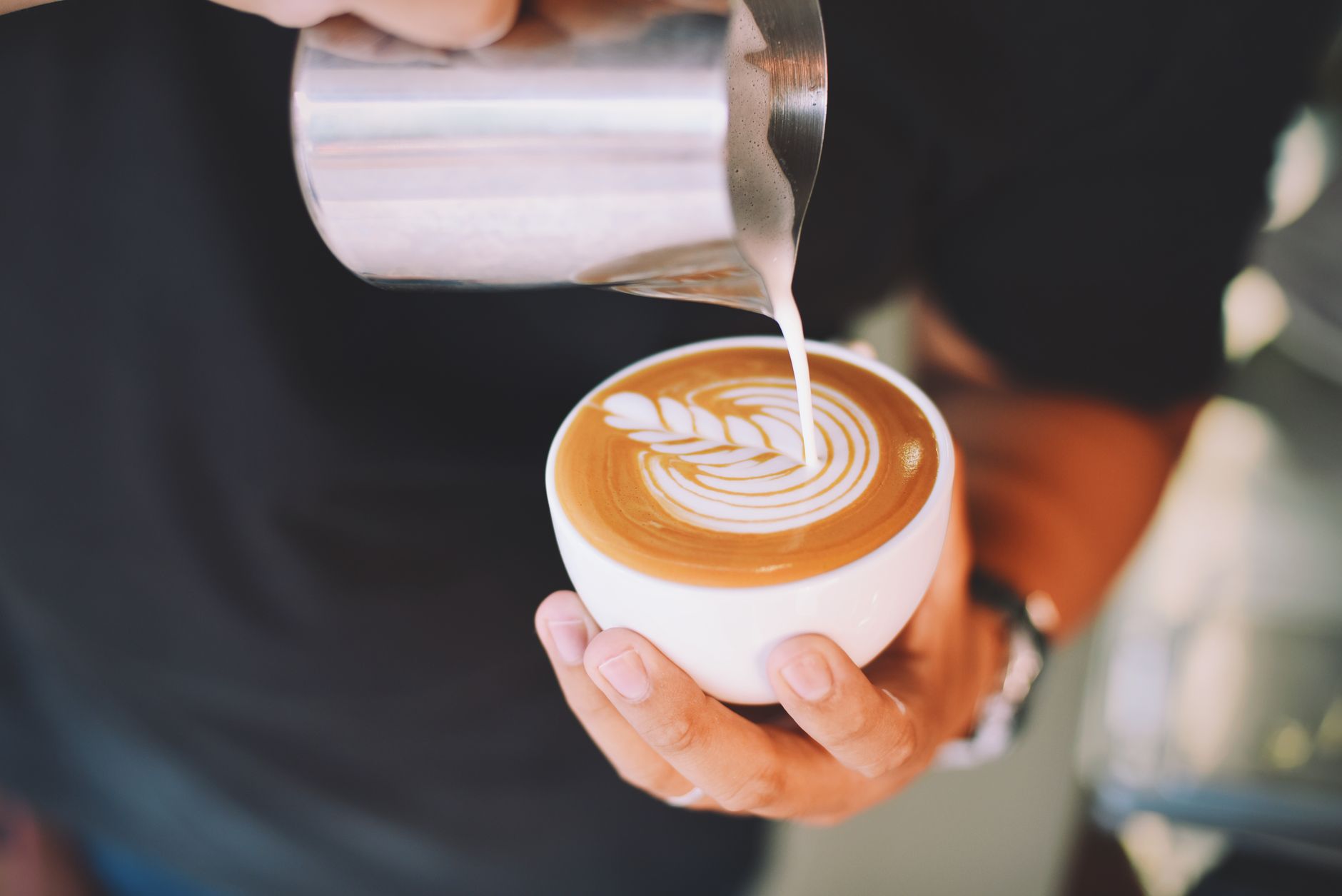
13 Oct 2026 · 9 min read
A neighborhood guide to Atlanta coffee, bakeries, bagels, doughnuts and tea, from Midtown to Castleberry Hill.
atlanta georgia neighborhood-guide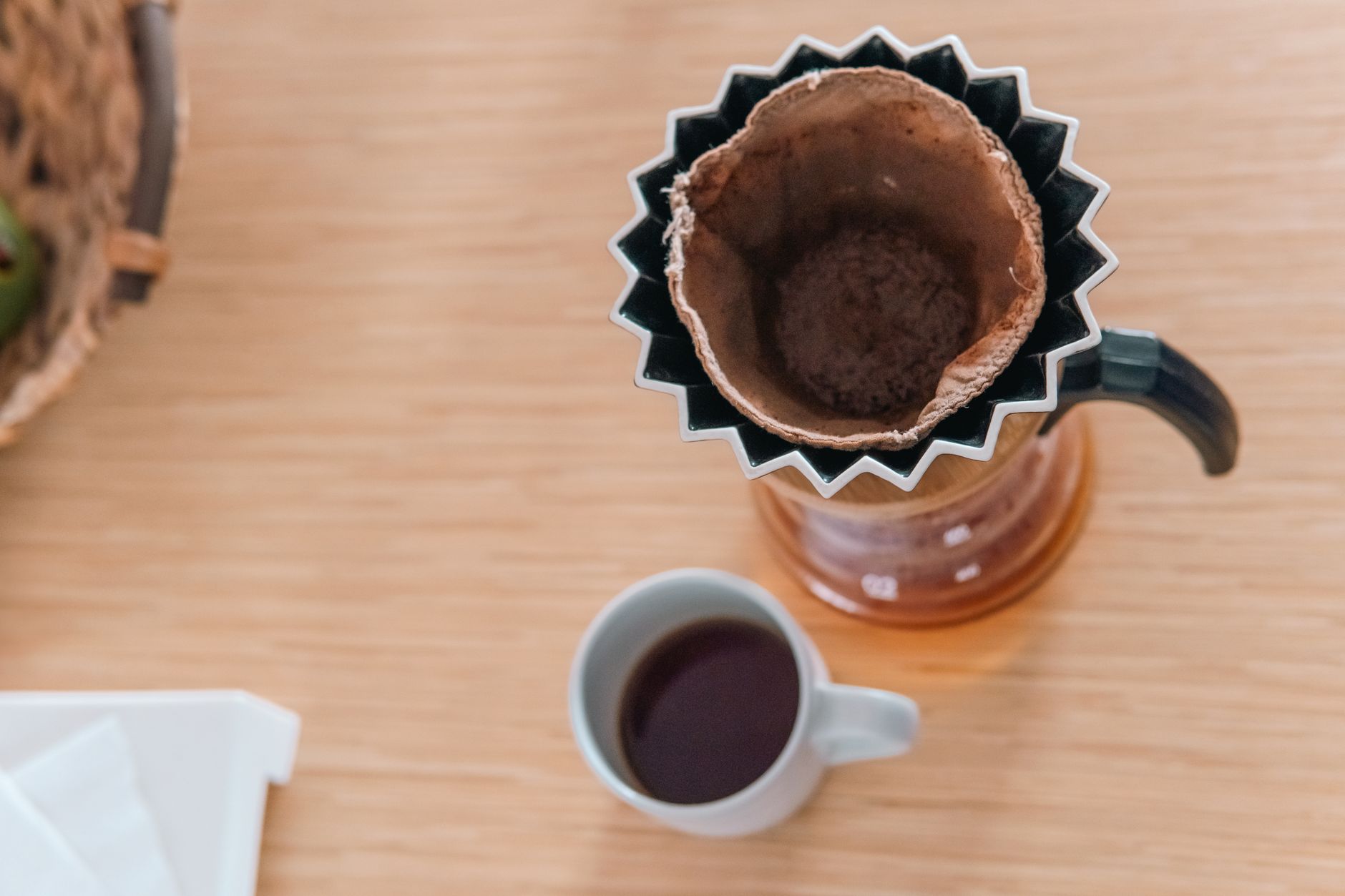
12 Oct 2026 · 8 min read
Drip, pour-over, French press, espresso and qahwah explained, with real Columbus, Ohio roasters and coffeehouses as examples.
explainer coffee-guide columbus