


13 Oct 2026 · 9 min read
Atlanta Coffee, Bakeries and Tea: A 2026 Guide
A neighborhood guide to Atlanta coffee, bakeries, bagels, doughnuts and tea, from Midtown to Castleberry Hill.
atlanta georgia neighborhood-guide12 October 2026 · 8 min read
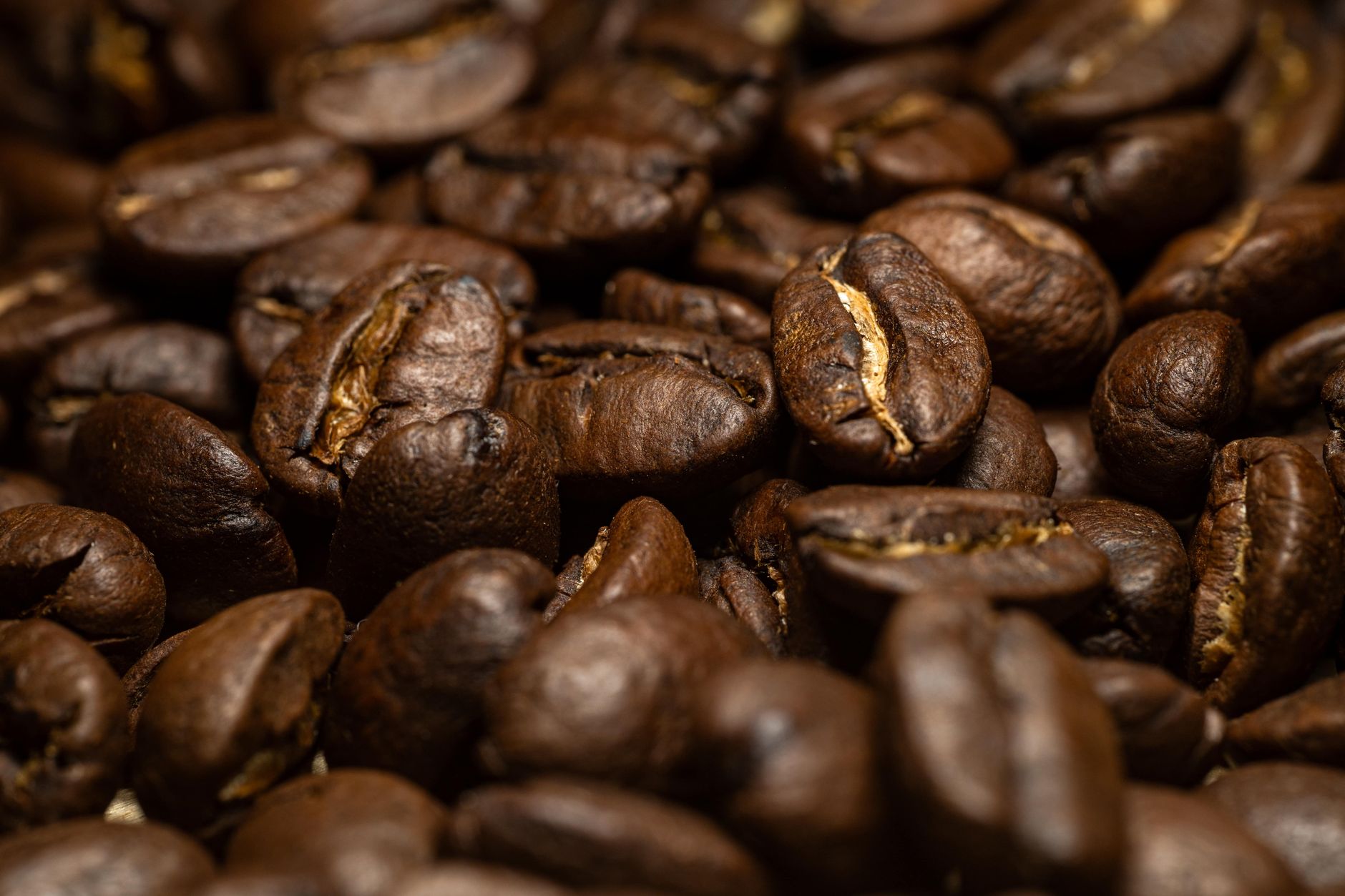
Ask for "a coffee" at a counter and you'll get something different depending on which machine or pot is behind it. Drip, pour-over, French press, and espresso aren't just serving styles — they pull flavor out of the same beans in genuinely different ways, with different equipment, different timing, and different trade-offs in body and clarity. Understanding the difference makes it easier to order what you actually want, and to understand why the same single-origin bean can taste completely different depending on how a shop brews it.
Columbus, Ohio is a useful place to walk through this, because the city's coffee scene covers the full range: a German Village roaster that's been running since the 1990s, a downtown wholesale roastery with its own bar, a single-origin specialty roaster, and a Yemeni coffeehouse that brews outside the American framework entirely. The methods below show up in all of them.
Every brew method is really a different answer to the same three variables: how long the water and ground coffee are in contact, whether the water passes through the grounds once or sits with them, and how much pressure is involved.
Drip and pour-over are both "filtration" methods — hot water passes through a bed of grounds and a paper or cloth filter once, pulling flavor out as it goes, and the filter catches the fine particles (and most of the oils). French press is "immersion" — the grounds steep in water for several minutes, like tea, before being pressed out through a metal screen that lets fine particles and oils through. Espresso is neither; it forces hot water through a very fine, tightly packed puck of grounds at high pressure in under 30 seconds, extracting far more per ounce than any other method.
Cold brew and iced coffee sit on top of this framework rather than replacing it, which is worth untangling on its own further down.
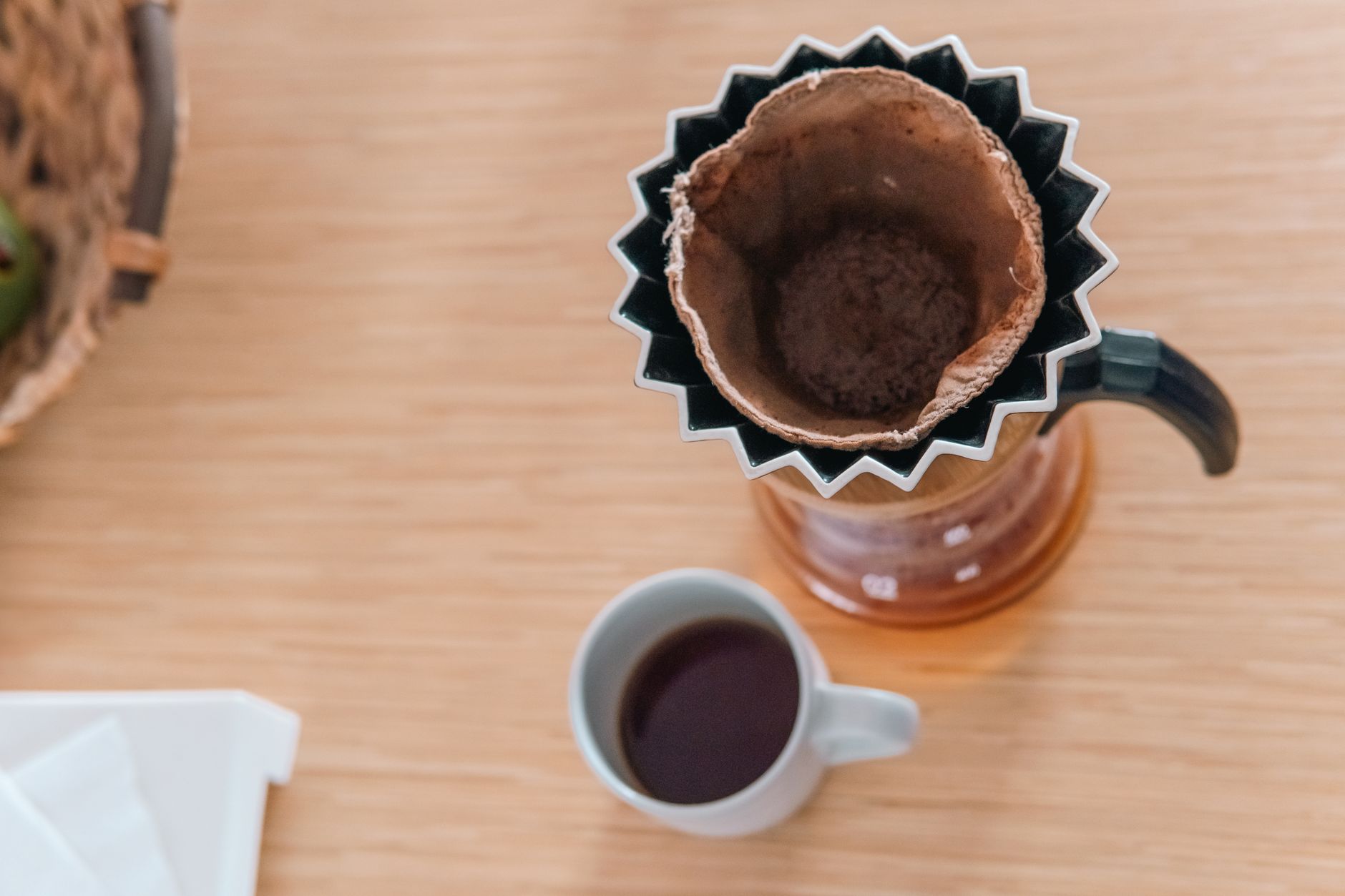
Drip machines automate pour-over's logic: water drips over grounds in a paper filter, into a carafe below. It's consistent, hands-off, and built for brewing a full pot rather than a single cup, which is why it's the default at diners, breakfast counters, and most American kitchens. The filter produces a clean, lighter-bodied cup with less sediment than immersion methods.
Coffee Shops · Columbus, Ohio
Stauf's Coffee Roasters in German Village has been roasting in Columbus since 1991 and keeps the bakery case stocked alongside the coffee bar, a format where drip is usually still on the menu next to espresso drinks — a practical starting point if you want to taste what the roaster's beans do without added technique variables.
Pour-over is the manual, single-cup version of the same filtration principle, with a kettle and a dripper (cone, flat-bottom, or a cloth filter) instead of a machine. Because the barista controls the pour rate, water temperature, and timing by hand, pour-over tends to highlight clarity and brighter, more distinct flavor notes — it's the method specialty shops reach for when they want a single-origin bean to show its specific character rather than blending into a house-blend profile.
Coffee Roasters · Columbus, Ohio
Equal Roots Coffee Roasters, a farmer-owned specialty roaster on Columbus's east side, sources and roasts exclusively single-origin coffees — exactly the kind of bean where a careful pour-over is worth the extra few minutes, since single-origin lots are chosen specifically to showcase a particular farm or region's flavor.
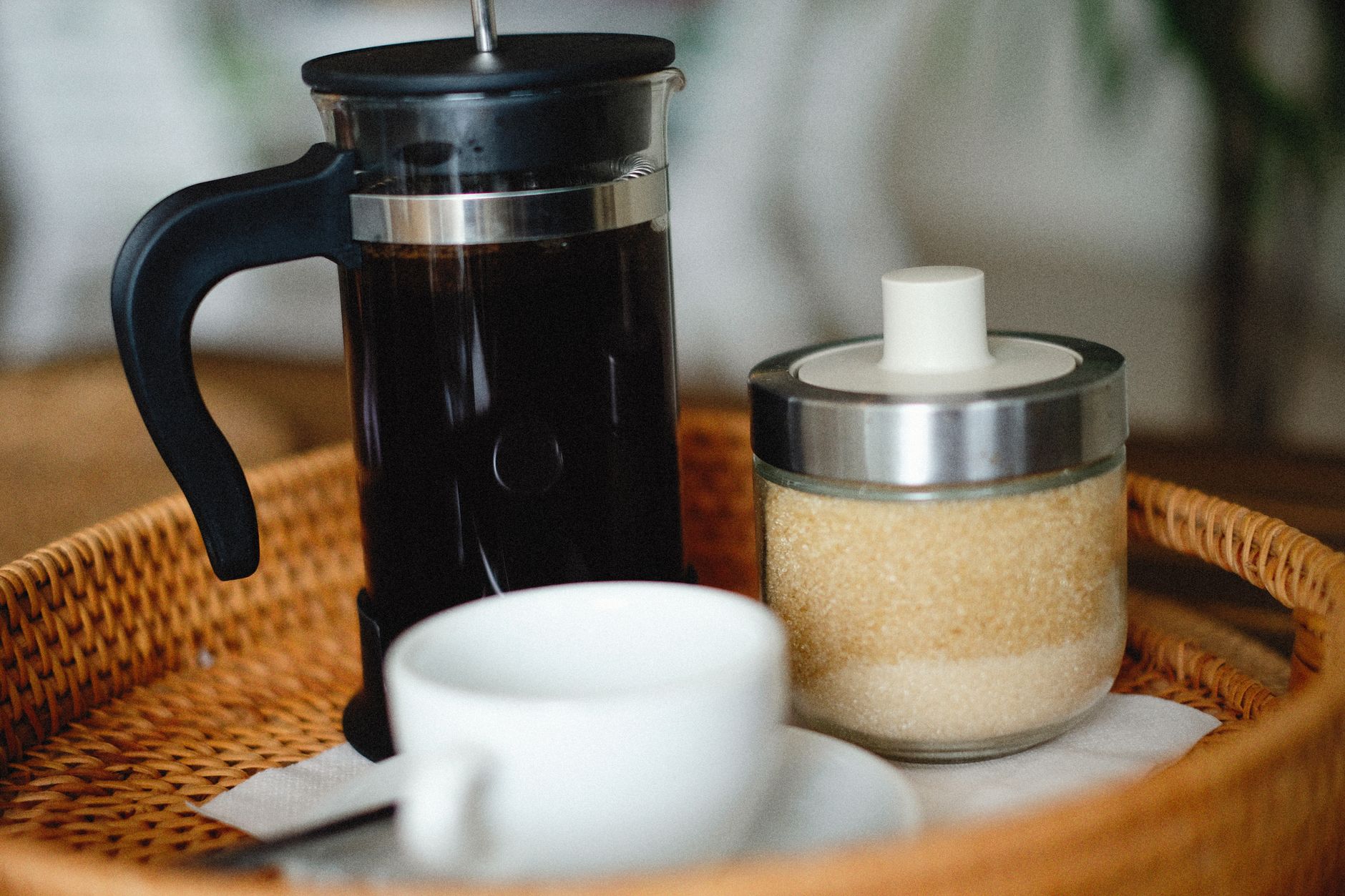
A French press skips the paper filter entirely. Coarse grounds steep directly in hot water for about four minutes, and a mesh plunger pushes the grounds to the bottom rather than filtering them out through paper. Because fine particles and natural coffee oils stay in the cup, French press coffee comes out heavier-bodied and more textured than drip or pour-over — some drinkers describe it as richer, others as muddier, and both are fair descriptions of the same physical fact.
It's also more forgiving of grind inconsistency than pour-over, since there's no filter rate to manage, which is part of why it remains a popular home-brewing method even among people who order espresso drinks when they're out.
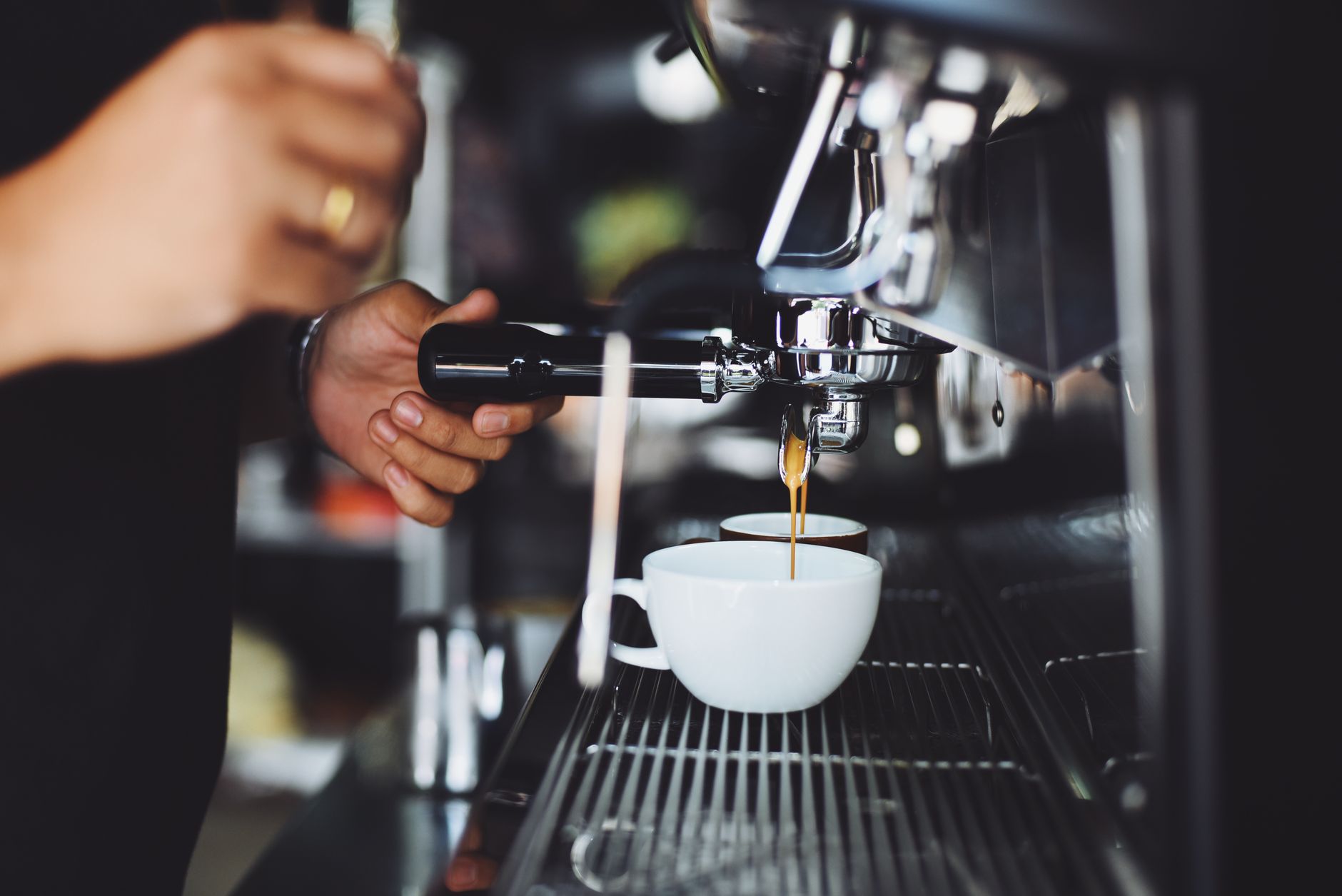
Espresso isn't a stronger version of drip coffee — it's a different brewing category. Finely ground coffee is packed into a portafilter and water is forced through it at roughly nine times atmospheric pressure, finishing in 25–30 seconds. That pressure extracts oils and dissolves solids that slower, lower-pressure methods never reach, which is also what produces crema, the tan foam on top of a well-pulled shot.
Coffee Shops · Columbus, Ohio
Brioso Roastery & Coffee Bar roasts and wholesales its own beans out of a Downtown storefront with a coffee bar attached, a setup where the same beans often show up as both a drip option and an espresso-based drink — a reasonable way to taste the difference the brewing method makes on identical beans, back to back.
Everything with "latte," "cappuccino," "cortado," or "flat white" in the name starts as espresso with varying amounts of steamed milk added; the drink names describe the milk ratio, not a different brewing method.
Not every coffee tradition fits neatly into drip-pour-over-French-press-espresso. Qahwah, the traditional Yemeni coffee preparation, is typically brewed with spices like cardamom or ginger and sometimes made from the coffee cherry husk (qishr) rather than only the roasted bean — a genuinely different starting ingredient, not just a different method.
Coffee Shops · Columbus, Ohio
Qahwah House, a Yemeni coffeehouse with a Downtown Columbus location, serves traditional Yemeni coffee preparations alongside more familiar espresso drinks, and keeps evening hours later than most Columbus coffee shops — it's a useful reminder that "coffee" covers a lot more brewing history than the American cafe menu usually shows.
These two get confused constantly, and the difference comes down to temperature, not just serving temperature. Cold brew steeps coarse grounds in room-temperature or cold water for 12–24 hours, an immersion method like French press but much slower, which produces a naturally sweeter, lower-acid concentrate that's diluted before serving. Iced coffee, by contrast, is just hot-brewed coffee (drip or otherwise) cooled down and poured over ice — same extraction chemistry as a hot cup, just served cold.
That's why cold brew tastes noticeably smoother and less acidic than iced coffee made from the same beans: it's not a stronger version of iced coffee, it's a different extraction process that happens to also be served cold.
| Method | Brew time | Body | Equipment | Best for |
|---|---|---|---|---|
| Drip | 4–6 minutes | Light to medium | Electric drip machine | Brewing a full pot hands-off |
| Pour-over | 2–4 minutes | Light, clear | Kettle, dripper, filter | Highlighting single-origin flavor |
| French press | ~4 minutes | Heavy, textured | Press pot | Richer, fuller-bodied cup |
| Espresso | 25–30 seconds | Concentrated, syrupy | Espresso machine | Milk drinks, quick shots |
| Cold brew | 12–24 hours | Smooth, low acid | Cold steep container | Sweeter, less acidic iced coffee |
Columbus has enough range to taste most of this list without leaving the city. The coffee shops of Columbus, Ohio category page covers the drip-and-espresso generalists, while the smaller coffee roasters category is where the single-origin, pour-over-focused shops tend to show up.
Coffee Shops · Columbus, Ohio
Kafe Kerouac, a combination record store and coffeehouse near Ohio State, keeps some of the latest hours in the city's coffee scene and is set up for sitting with a laptop or a book for a while — a useful stop if you want to compare a drip cup against an espresso drink without being rushed out.
Coffee Shops · Columbus, Ohio
Global Gallery Coffee Shop, a non-profit fair trade coffeehouse in Clintonville, sources fair trade beans and keeps a full daily schedule from early morning into the evening — worth a visit if sourcing and roast origin matter to you as much as brew method does.
The full roster of Columbus, Ohio listings on the directory covers bakeries, bagel counters, and tea houses in the same neighborhoods if coffee isn't the only thing on the agenda.
A few practical notes that make ordering easier at any of the shops above or elsewhere:
None of these methods is objectively better — they're different tools that pull different things out of the same beans. Drip and pour-over favor clarity, French press favors body, espresso favors concentration and speed, and traditional preparations like qahwah start from different ingredients entirely. The fastest way to find a favorite is to taste the same roaster's beans brewed two different ways, which is exactly what a city with both specialty roasters and traditional coffeehouses, like Columbus, makes easy to do. Check current hours and menus directly with each shop before visiting, since both can change seasonally.
13 Oct 2026 · 9 min read
A neighborhood guide to Atlanta coffee, bakeries, bagels, doughnuts and tea, from Midtown to Castleberry Hill.
atlanta georgia neighborhood-guide
11 Oct 2026 · 8 min read
What drives latte, bagel, and gelato prices in Philadelphia, and where to check current menus before you go.
philadelphia pennsylvania cost-breakdown
10 Oct 2026 · 9 min read
How to spot a laptop-friendly Chicago coffee shop, bakery or tea house by category and posted hours, not just the star rating.
chicago illinois how-to