


13 Oct 2026 · 9 min read
Atlanta Coffee, Bakeries and Tea: A 2026 Guide
A neighborhood guide to Atlanta coffee, bakeries, bagels, doughnuts and tea, from Midtown to Castleberry Hill.
atlanta georgia neighborhood-guide08 October 2026 · 8 min read
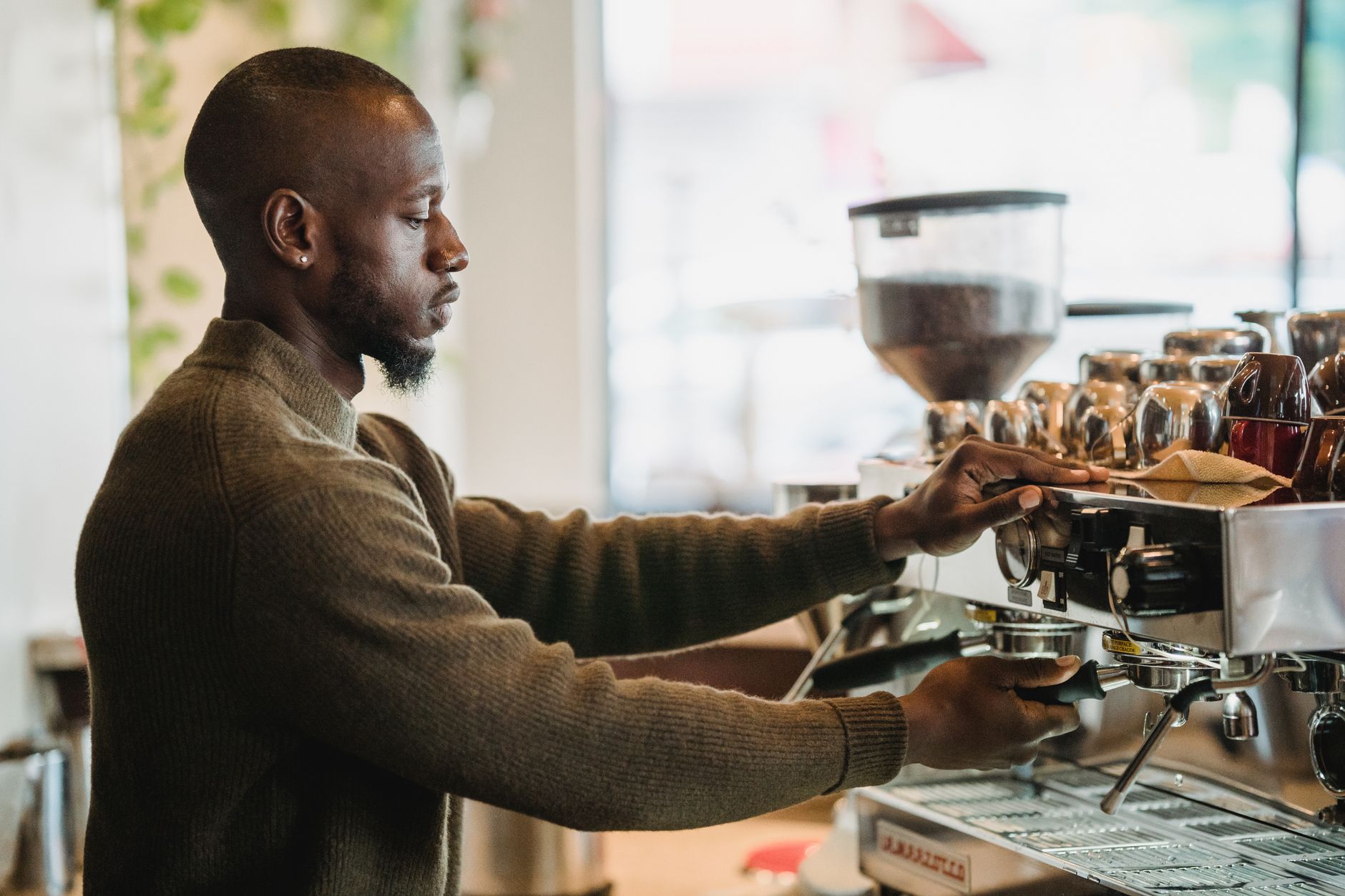
Walk up to an espresso bar and the menu board can feel like a second language: cortado, flat white, macchiato, Americano, doppio. The drinks are all built from the same two ingredients — espresso and, in most cases, steamed milk — but the ratios and techniques change enough that ordering the wrong one can mean a cup that's nothing like what you pictured. This guide breaks down what separates each drink, so you can order with confidence at any coffee shop or cafe, using real Philadelphia spots as reference points along the way.
Espresso is not a bean or a roast — it's a brewing method. Finely ground coffee is packed into a portafilter and forced through with hot water under high pressure, producing a small, concentrated shot with a layer of reddish-brown foam (the crema) on top. A single shot ("solo") runs about 1 ounce; a double ("doppio") is the more common default at most counters today. A "ristretto" is a shorter pull of the same dose, using less water for a thicker, more concentrated shot, while a "lungo" is a longer pull that stretches the same dose with more water.
Every drink below starts with one or more of these shots. The differences come down to what, if anything, gets added.
Cafes · Philadelphia, Pennsylvania
Herman's Coffee in South Philadelphia is a straightforward example of a counter built around the shot itself — it's a good place to taste a solo or doppio on its own before comparing it to a milk drink, since you can see exactly how the crema and body hold up without any dilution.
A traditional macchiato ("stained" in Italian) is just espresso with a small spoonful of foamed milk on top — a dollop, not a pour. It's meant to soften the sharp edge of straight espresso without turning it into a milk-forward drink. This is different from the sweetened, caramel-drizzled version some chains sell under the same name, which is really a flavored latte.
A cortado adds more milk than a macchiato but far less than a latte — roughly equal parts espresso and warm, lightly textured milk, served in a small glass, usually 4 ounces or so. The milk is meant to cut the espresso's acidity and bring out sweetness without covering the coffee flavor the way a cappuccino's thick foam can.
Coffee Shops · Philadelphia, Pennsylvania
La Petite Tasse, near Rittenhouse Square, is the kind of small-format counter where a cortado makes sense on the menu — it's built for shots and short milk drinks rather than large to-go cups. Check the listing's hours before heading over, since it keeps a tighter schedule than a typical coffee shop.
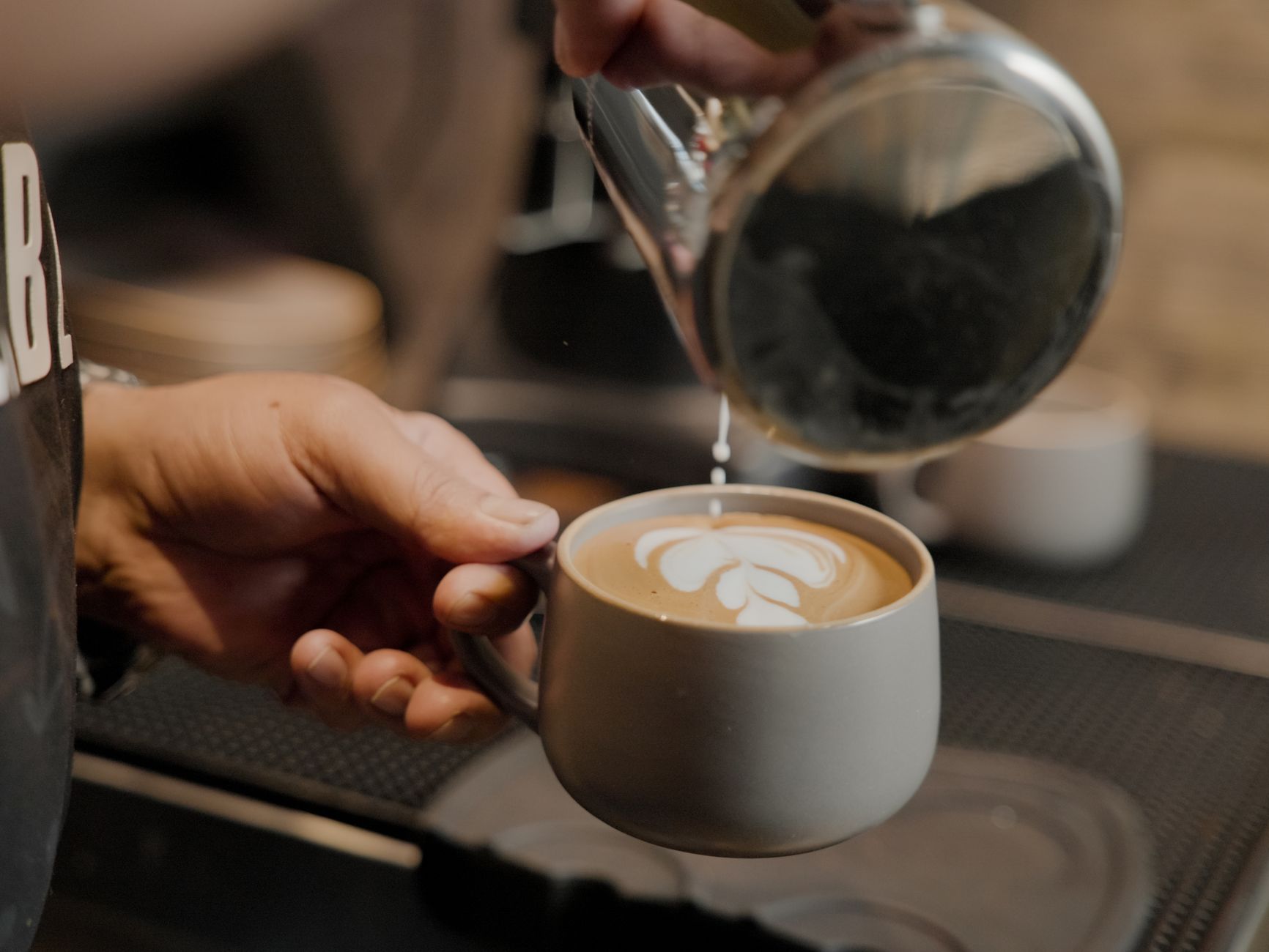
This is where most ordering confusion happens. A flat white uses a higher ratio of espresso to milk than a latte, with milk that's been steamed into a thin, velvety microfoam — no thick foam cap, just a smooth, glossy surface. It's typically served in a 5-6 ounce cup, and the espresso flavor stays more forward than in a latte of the same size.
A latte uses more steamed milk relative to espresso, topped with a thin layer of foam, and is almost always served larger — 8 to 12 ounces is standard, sometimes more. The extra milk mellows the coffee flavor considerably, which is why lattes are the base for most flavored drinks (vanilla, lavender, seasonal syrups).
If you've ordered a flat white and found it "too strong," you likely got a well-made one — that's the point of the drink. If you want something closer to a mellow, milk-forward coffee, a latte is the better call.
Coffee Shops · Philadelphia, Pennsylvania
Madis Coffee's University City location is a high-volume shop near Penn and Drexel where both drinks are in regular rotation — a reasonable spot to order a flat white and a latte side by side and taste the difference directly. As with many listings pulled from Google, double-check current hours on the Philadelphia listing before visiting.
A cappuccino is built on roughly equal thirds: espresso, steamed milk, and milk foam, with the foam notably thicker than a latte's — enough to hold its shape as a cap on top of the cup. Traditionally it's a smaller drink than a latte, around 5-6 ounces, though many American shops serve larger versions.
A mocha is essentially a latte with chocolate added, usually as a syrup or ganache stirred in before the espresso and milk. It's sweeter and dessert-leaning by design, which is worth knowing if you're expecting a straight coffee flavor.
Not every drink on the board involves milk. An Americano is espresso diluted with hot water, originally created to approximate the strength of drip coffee for American tastes. The water is typically added to the cup first, then the espresso poured on top (or vice versa, depending on the shop), which affects how much crema survives on the surface.
A closely related drink, the long black, reverses that order — espresso goes into the water rather than water going into espresso — which preserves more of the crema and gives a slightly different mouthfeel, even though the ratios are similar. Not every counter in the U.S. distinguishes between the two, so if it matters to you, it's worth asking how the barista builds it.
Coffee Shops · Philadelphia, Pennsylvania
Haraz Coffee House in Fishtown keeps later hours than most of the shops on this list — open past 11 on weekends — which makes it a reasonable stop for an Americano if you're coffee-hunting in the evening rather than the morning rush.
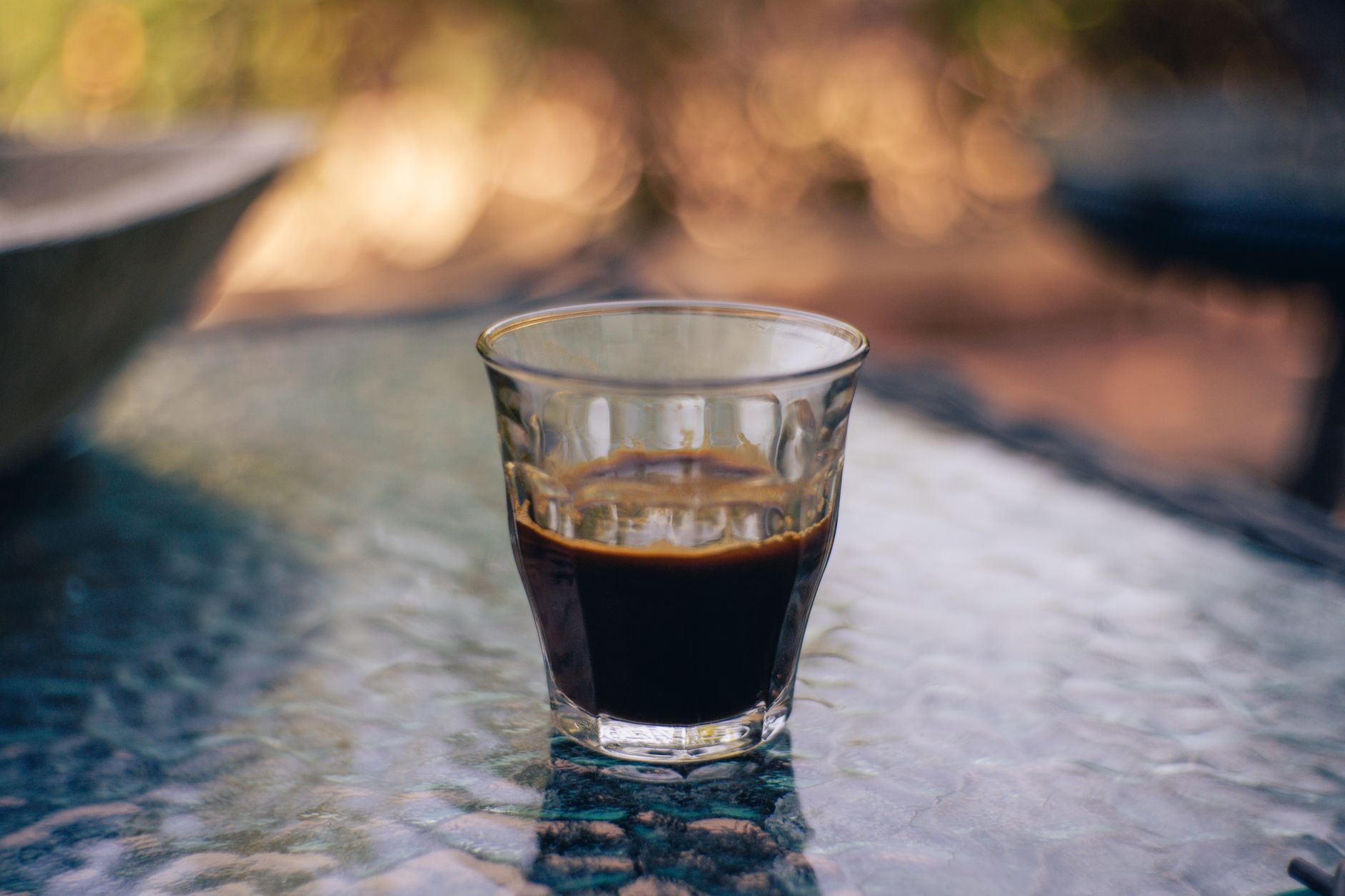
Oat, soy, almond, and other non-dairy milks have different fat and protein content than dairy, which changes how they steam and foam. Oat milk has become the default substitute at many specialty shops because it steams into a texture close to whole milk and holds foam reasonably well, which is why it's often the only non-dairy option baristas recommend for a flat white or cappuccino, where foam structure matters. Almond and soy tend to produce thinner, less stable foam and can be more prone to splitting (curdling) when mixed with highly acidic espresso, though formulations have improved over the past few years.
None of this changes which drink you're ordering — a flat white made with oat milk is still a flat white, built on the same espresso-to-milk ratio — but it's worth knowing if a drink tastes or looks different than expected after a milk swap. If foam consistency matters to you, ask which non-dairy option the shop recommends for texturing rather than assuming they're interchangeable.
None of the drink names above say anything about the coffee itself — that comes down to the beans and the roast, which is where a dedicated roaster differs from a shop that brews someone else's beans. A lighter roast tends to showcase acidity and origin flavor more clearly in a straight shot or a cortado, while a darker roast holds up better against a larger volume of milk in a latte or cappuccino.
Coffee Roasters · Philadelphia, Pennsylvania
Coffee Roasters · Philadelphia, Pennsylvania
Vamo Coffee Co. and Bean2Bean Coffee Company are both listed as coffee roasters in Philadelphia rather than straight cafes, meaning the beans are roasted on-site or in-house rather than sourced from a third party. If you've been drinking the same drink at the same shop for months, trying it at a roaster's own counter is a useful way to taste how much the bean itself — versus the technique — shapes the final cup.
| Drink | Espresso | Milk Style | Typical Size |
|---|---|---|---|
| Espresso (solo/doppio) | 1-2 shots | None | 1-2 oz |
| Ristretto | 1 short shot | None | Under 1 oz |
| Macchiato | 1-2 shots | Dollop of foam | 2-3 oz |
| Cortado | 1-2 shots | Equal-part steamed milk | 4 oz |
| Flat White | 1-2 shots | Thin steamed microfoam | 5-6 oz |
| Cappuccino | 1-2 shots | Equal thirds milk/foam | 5-6 oz |
| Latte | 1-2 shots | More steamed milk, thin foam | 8-12 oz |
| Mocha | 1-2 shots | Steamed milk + chocolate | 8-12 oz |
| Americano | 1-2 shots | Hot water, no milk | 8-10 oz |
Sizes vary by shop, and this table reflects general convention rather than any single business's menu — always check current prices and sizes directly with the shop, since neither this table nor the listings linked above should be treated as a price guide.
The fastest way to get what you actually want is to think in two steps: how much milk do I want (none, a little, a lot), and how strong do I want the coffee to taste underneath it. A straight shot or Americano keeps the coffee flavor unobscured. A cortado or flat white adds just enough milk to soften it while keeping espresso in the foreground. A latte or mocha pushes toward a milkier, more dessert-like drink. A cappuccino sits in between, with its foam doing more of the work than its milk volume.
None of this requires memorizing Italian — most baristas are glad to explain what's in a drink or build something closer to what you're picturing if you describe it in plain terms ("something like a latte but stronger" usually gets you to a flat white or cortado). The real test is tasting a few side by side, which is easy to do across neighborhoods like University City, South Philly, and Fishtown, all represented among the shops above.
A related question worth asking at any new counter: how long has this shop had its grinder dialed in today? Espresso extraction is sensitive to humidity and bean freshness, so the same drink can taste noticeably different at 8 a.m. versus 2 p.m. at the same shop. Baristas at busy counters re-dial their grind throughout the day for exactly this reason, which is part of why a cortado at one visit might taste brighter or more muted than the same order a week later — it's rarely a sign anything is wrong, just a normal feature of working with a fresh, perishable ingredient rather than a syrup.
Takeaway: the names on an espresso menu describe a ratio of espresso to milk (or water) and a milk texture, not a size or a flavor — once you can place a drink on that scale, any new menu board gets a lot easier to read.
13 Oct 2026 · 9 min read
A neighborhood guide to Atlanta coffee, bakeries, bagels, doughnuts and tea, from Midtown to Castleberry Hill.
atlanta georgia neighborhood-guide
12 Oct 2026 · 8 min read
Drip, pour-over, French press, espresso and qahwah explained, with real Columbus, Ohio roasters and coffeehouses as examples.
explainer coffee-guide columbus
11 Oct 2026 · 8 min read
What drives latte, bagel, and gelato prices in Philadelphia, and where to check current menus before you go.
philadelphia pennsylvania cost-breakdown