


11 Oct 2026 · 8 min read
What a Latte, a Bagel and Gelato Cost in Philadelphia in 2026
What drives latte, bagel, and gelato prices in Philadelphia, and where to check current menus before you go.
philadelphia pennsylvania cost-breakdown26 September 2026 · 8 min read
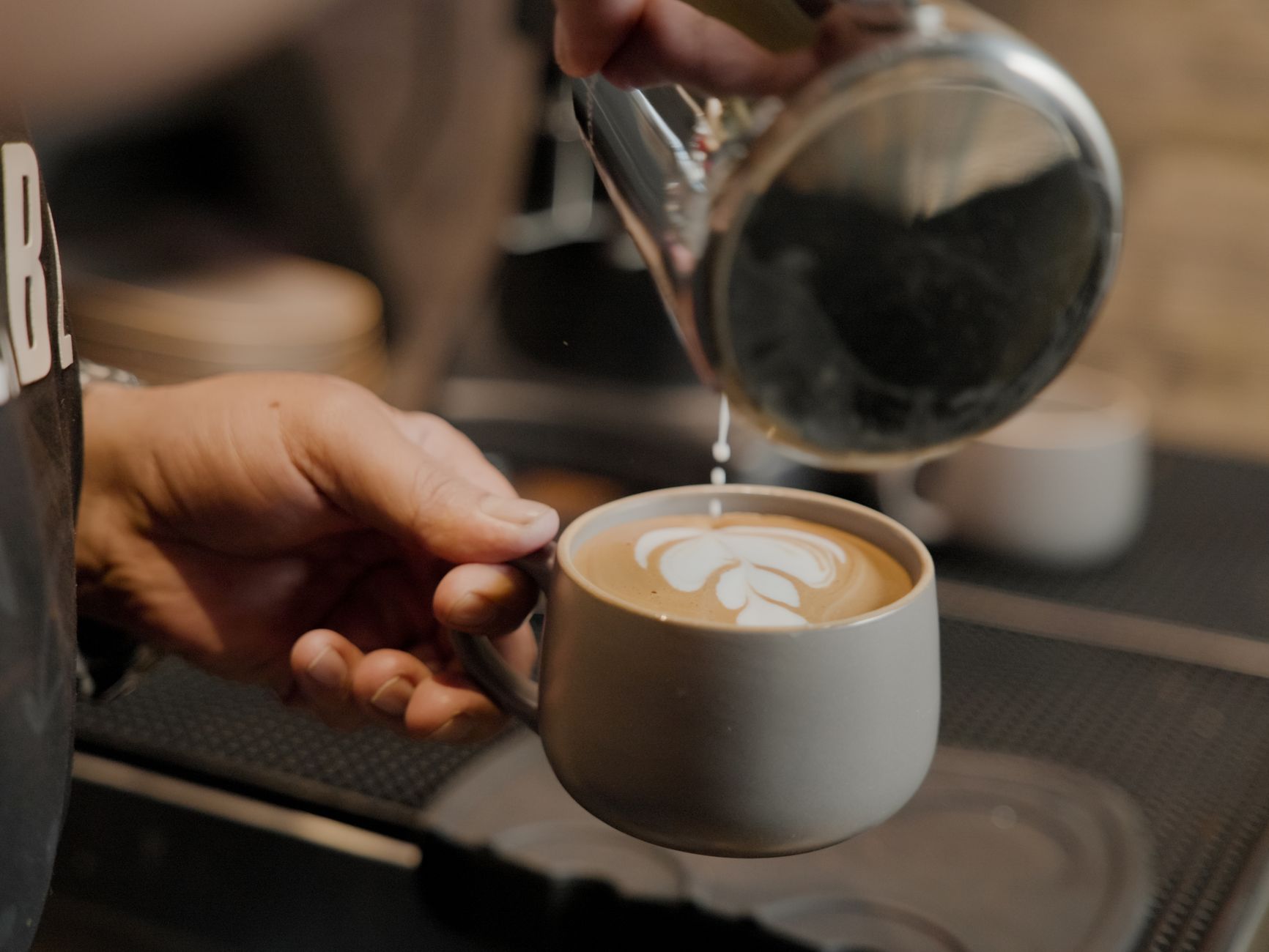
Ten years ago, ordering coffee meant choosing "regular" or "decaf" and maybe picking a size. Today, a chalkboard at a specialty shop might list a pour-over by farm name, a "washed" or "natural" process, three milk options, and a espresso-based drink you've never heard of. None of that is designed to confuse you — it's just a vocabulary that grew up around a very old drink, and it spread quickly once independent roasters and coffee shops started competing on sourcing and technique rather than just convenience. This guide walks through the words you'll actually run into on a 2026 coffee menu, what they mean, and how to order without guessing.
It helps to remember that every term on the board answers one of three questions: how was the coffee brewed, what's in the cup besides coffee, and where did the beans come from. Once you sort a new word into one of those three buckets, most menus stop feeling like a foreign language.
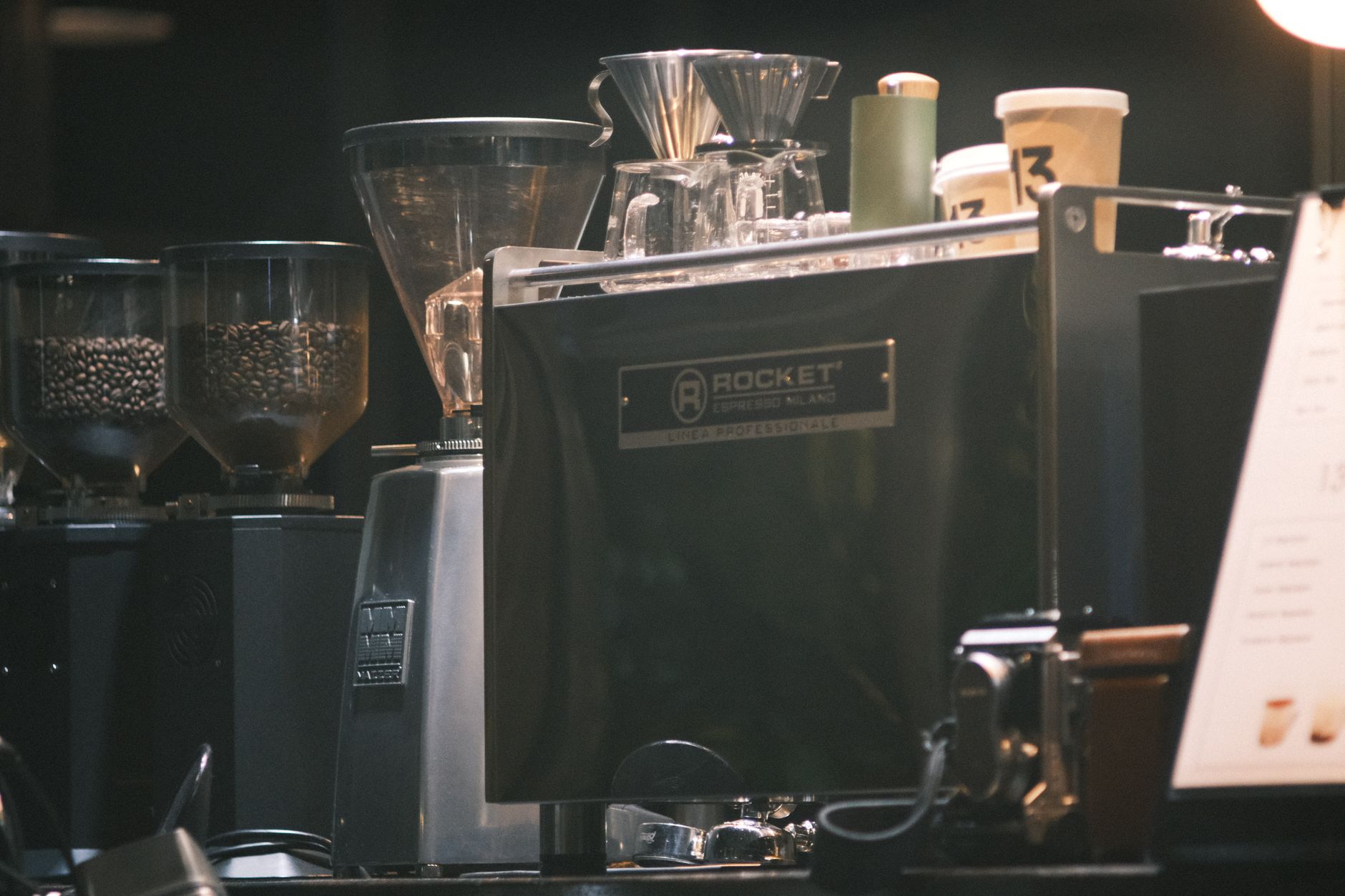
Almost every specialty menu splits into two families: espresso-based drinks and brewed coffee. Espresso is coffee forced through finely ground beans under pressure — it's concentrated, takes under 30 seconds to pull, and is the base for lattes, cappuccinos, and everything in between. Drip and pour-over are the same idea done slowly: hot water passes through grounds by gravity, either through a machine (drip) or by hand, in small circles, over a cone filter (pour-over). Drip is usually brewed in batches and held on a warmer; pour-over is made to order, one cup at a time, which is why it costs a bit more and takes a few extra minutes.
If a menu lists a "batch brew" alongside a "pour-over," the batch brew is the same coffee made faster and cheaper — a fine choice if you're not fussy about the last 10% of flavor clarity. Cold brew is a third, separate method: coarse grounds steeped in cold or room-temperature water for 12 to 24 hours, which produces something naturally sweeter and less acidic than iced hot-brewed coffee.
You may also see a "French press" or "siphon" option at shops that lean into brewing theater. A French press steeps coarse grounds directly in hot water, then separates them with a metal mesh plunger, producing a heavier-bodied cup with more sediment than a paper filter allows through. A siphon (or vacuum pot) uses vapor pressure to pull water up through grounds and back down again, and is more about the visual process and a very clean cup than speed — expect to wait several minutes and pay a bit more for it.
This is where most people get lost, because the drinks all use the same two ingredients — espresso and steamed milk — in different ratios and textures. Here's the comparison that actually matters when you're standing at the counter:
| Drink | Espresso | Milk texture | Typical size |
|---|---|---|---|
| Cappuccino | 1 shot | Thick, airy foam | Small (5–6 oz) |
| Flat white | 1–2 shots | Thin, velvety microfoam | Small (5–6 oz) |
| Latte | 1–2 shots | Steamed milk, light foam | Medium–large (8–16 oz) |
| Cortado | 1 shot | Equal parts milk, minimal foam | Small (4 oz) |
| Macchiato | 1–2 shots | A dollop of foam, mostly espresso | Very small (2–3 oz) |
The short version: the smaller the cup, the more the drink tastes like espresso; the larger the cup, the more it tastes like milk. If you like coffee flavor but not straight espresso, ask for a cortado or a flat white before defaulting to a latte — you'll get more coffee character in less liquid.
Most of the drinks above have an iced version, but the ratios shift because ice takes up space and melts. An iced latte is usually espresso poured over ice with cold milk, not a chilled version of the hot drink. Cold brew, as mentioned, is its own brewing method rather than an iced espresso drink — some shops serve it on its own, others build "cold brew lattes" by adding milk to it. Nitro cold brew is cold brew infused with nitrogen gas through a tap, which gives it a thick, almost stout-like head and a natural sweetness without added sugar. If a menu lists "cold foam," that's a separate cold, airy milk topping (not steamed) poured over an iced drink — it adds texture, not caffeine.
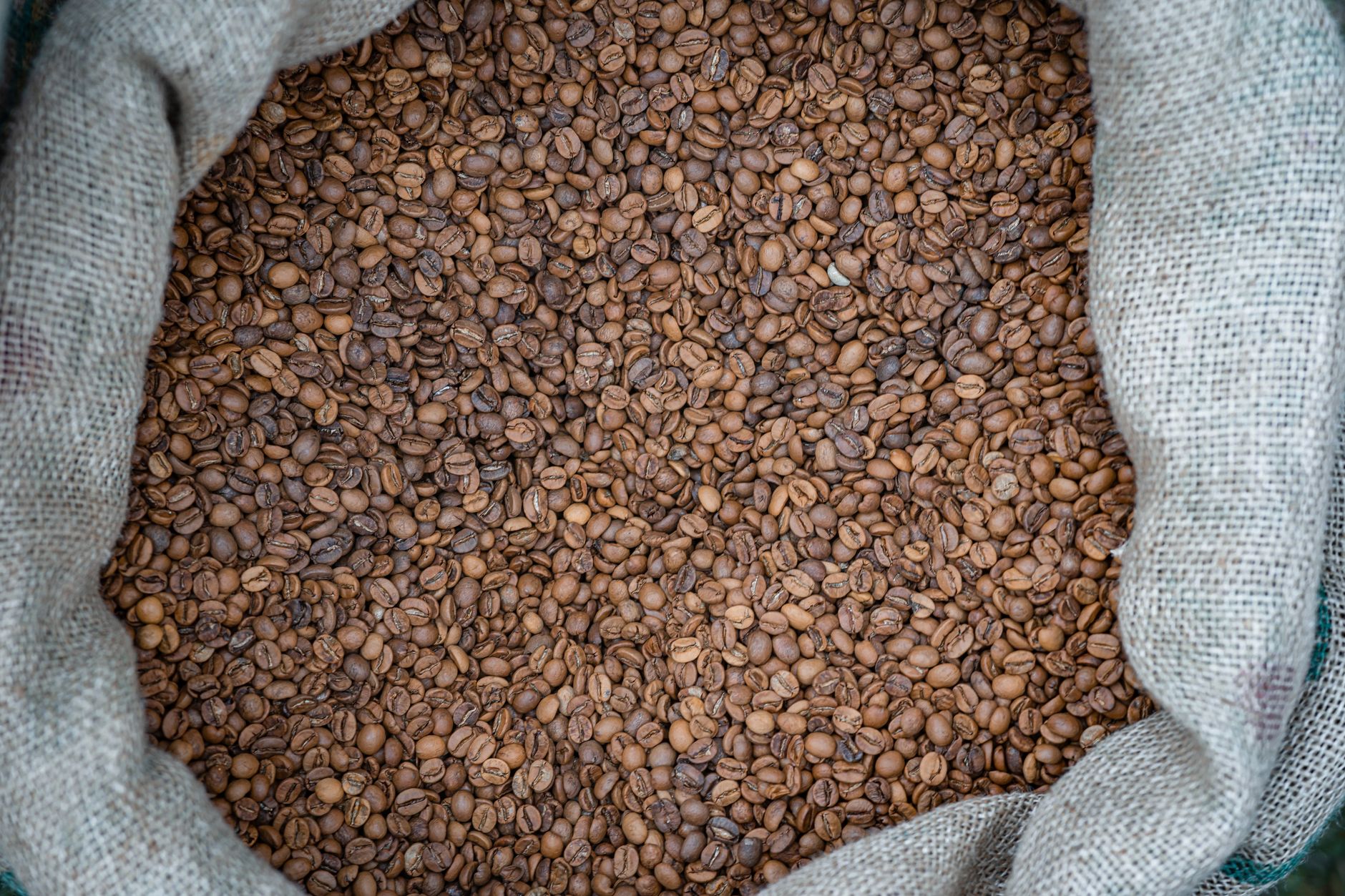
Once you're past the drink names, the next layer of vocabulary is about the beans themselves. A single-origin coffee comes from one country, region, or even one farm, and is meant to showcase the specific flavor of that place — you'll often see it offered as a pour-over rather than in a latte, since milk and higher espresso roast levels tend to mask subtle flavor differences. A blend combines beans from multiple origins, usually to build a consistent, balanced flavor for espresso drinks, where the milk and the concentration of espresso would flatten out a lot of a single-origin's nuance anyway.
Roast level is a separate axis from origin. Light roasts preserve more of the bean's original acidity and fruit-like notes; medium roasts balance sweetness and body; dark roasts push toward bitterness and smoky, roasted flavors and mute the origin character. Neither is "better" — it's a matter of what you're looking for. If you usually drink diner coffee and find specialty light roasts sour or thin, ask the counter for their darkest single-origin or a blend instead.
At roasters and specialty shops, the board or bag often lists three more details: the farm or cooperative name, the processing method, and a handful of tasting notes. "Washed" process means the fruit is removed from the bean before drying, producing a cleaner, brighter cup. "Natural" (or "dry-processed") means the bean dries inside the fruit, which adds fruitier, sometimes fermented-tasting notes. "Honey" process is in between. Tasting notes like "stone fruit" or "brown sugar" aren't promises — they're the roaster's best attempt to describe what they tasted, and your own palate may land somewhere else entirely. Treat them as a hint about the roast's general character (bright and fruity vs. round and sweet) rather than a literal ingredient list.
Coffee Roasters · San Diego, California
Coffee Roasters · Los Angeles, California
Roasters that also serve coffee on-site, like Torque Coffee in San Diego and Jetty Coffee Roasters in Los Angeles, are good places to ask questions directly — staff at a roastery-attached counter are usually the ones who roasted what's in your cup that week.
A few practical notes that make the whole exchange faster. Sizes vary by shop — some use small/medium/large, others use ounces, and a few specialty counters only offer one size for espresso drinks because larger cups would throw off the ratio. Oat milk, almond milk, and other alternatives are now standard at most specialty counters, though they can change how a drink froths and taste noticeably different in a cortado versus a latte. If you want decaf, ask whether it's espresso-machine decaf or a separate decaf brew; not every shop runs decaf through the same machine. And if you're ordering to-go and plan to drink it over the next hour, ask before ordering nitro or a delicately textured flat white — both are built to be consumed within a few minutes of being made.
It's also worth asking how a shop handles substitutions before you order rather than after. A cortado made with oat milk needs a slightly different steaming technique than one made with dairy, and a barista who knows that will often ask which alt-milk you'd like before starting, rather than treating it as an afterthought. If a counter seems rushed, a simple "what would you recommend that's not too strong" or "what would you recommend that's closest to a dark roast diner coffee" usually gets you a fast, accurate suggestion without needing to know any of the vocabulary above.
The best way to get comfortable with this vocabulary is to order in person a few times at shops that take the details seriously. Southern and Central California have a dense concentration of roasters and coffee shops that post their menus with this level of detail.
Coffee Shops · San Diego, California
Coffee Shops · San Diego, California
In San Diego, Jaunt Coffee Roasters roasts on-site and lists origin and process on its bags, while Boards N' Beans keeps a simpler, approachable menu that's a good starting point if you're still learning the drink names.
Coffee Shops · Oakland, California
Coffee Roasters · Oakland, California
Up in Oakland, Mohka House is a long-running neighborhood spot for milk-based drinks, and Red Bay Coffee Roastery roasts its own beans and sells them alongside brewed coffee, so you can taste a bean and buy a bag of the same one.
Coffee Roasters · Bakersfield, California
Further inland, Bakersfield Roasting Company in Bakersfield is worth a stop if you're driving the Central Valley and want to see a working roastery rather than just a counter. Check each shop's own listing or website for current hours and any seasonal menu changes before you go, since boards and single-origin offerings rotate.
None of this vocabulary is a test — it's shorthand that grew out of people trying to describe a drink precisely. The fastest way to order well is to lead with what you already know you like: strong and small (cortado or macchiato), balanced and milky (latte or flat white), bright and fruity (ask for a light-roast single-origin pour-over), or round and chocolatey (a dark-roast blend). Any barista at a shop that bothers to write tasting notes on the board will happily translate that preference into a specific drink, and asking is always faster than guessing from the menu alone.
11 Oct 2026 · 8 min read
What drives latte, bagel, and gelato prices in Philadelphia, and where to check current menus before you go.
philadelphia pennsylvania cost-breakdown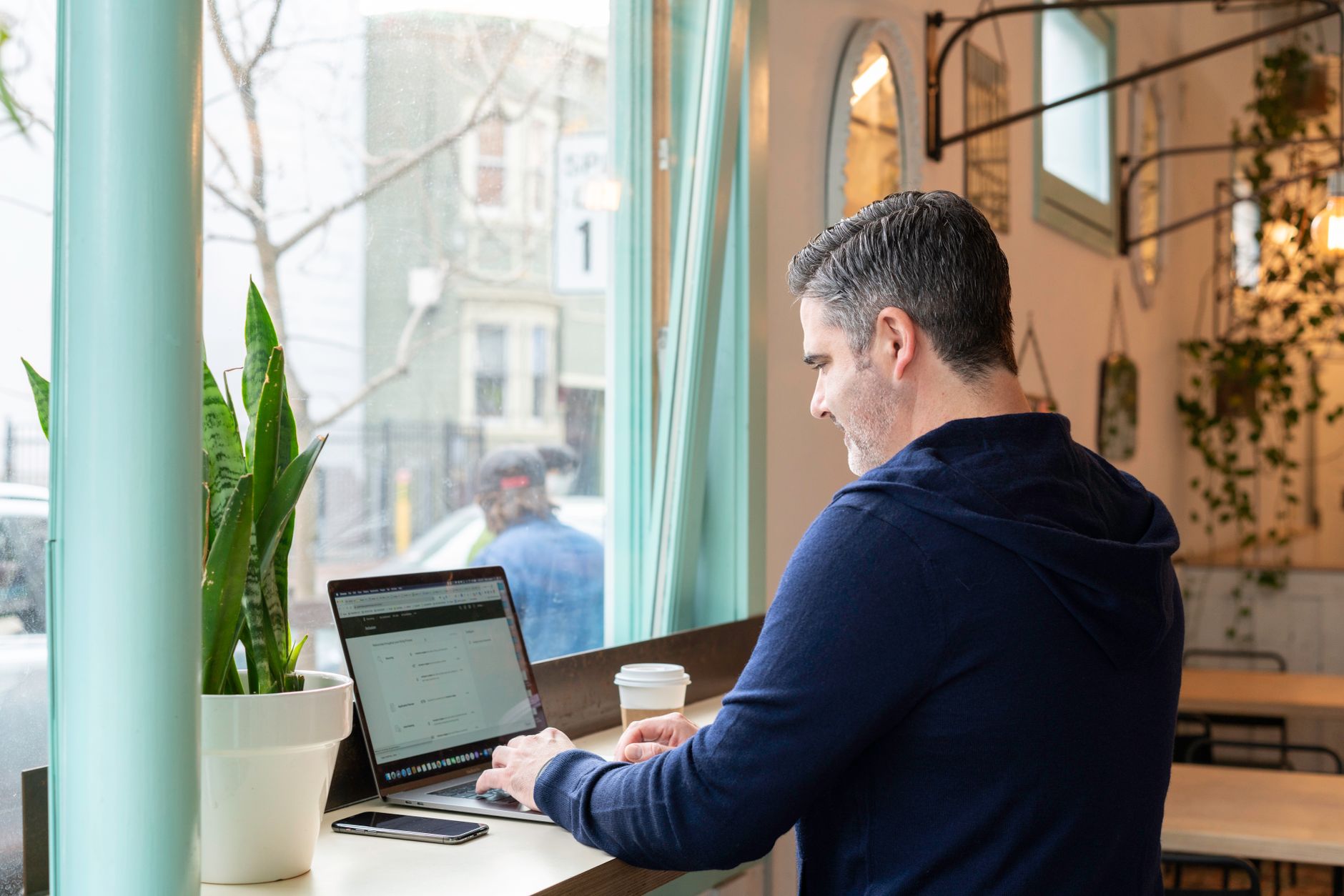
10 Oct 2026 · 9 min read
How to spot a laptop-friendly Chicago coffee shop, bakery or tea house by category and posted hours, not just the star rating.
chicago illinois how-to
09 Oct 2026 · 8 min read
A neighborhood guide to Pittsburgh coffee: Squirrel Hill bagels and tea, a Lawrenceville bakery and roaster, Downtown breakfast, and more.
pittsburgh pennsylvania neighborhood-guide